Buy Macaw Online India from AapkaPet – Vet-Checked
Buying a macaw online in India carries genuine risks, from illegally traded birds to fly-by-night sellers operating out of WhatsApp groups. If you’re planning to buy a macaw online in India in 2026, this guide equips you with everything you need: species options, legal requirements, health verification, genuine cost of ownership, and the warning signs that should make you walk away.
Buying a Macaw Online in India: Where to Start
Online channels let buyers compare species, sellers and care requirements before committing, but a listing on its own says very little about the bird behind it. Photos can be borrowed, health claims can be invented, and a persuasive chat conversation is no substitute for documentation. Treat every online listing as a starting point for verification, not as proof of what is being sold.
Fraudulent and unethical sellers are a real hazard in online bird sales. Anyone planning to buy a macaw online in India should treat seller verification as non-negotiable: documentation, health checks and a verifiable place of business matter far more than an attractive listing.
Macaw Species Available to Buy in India
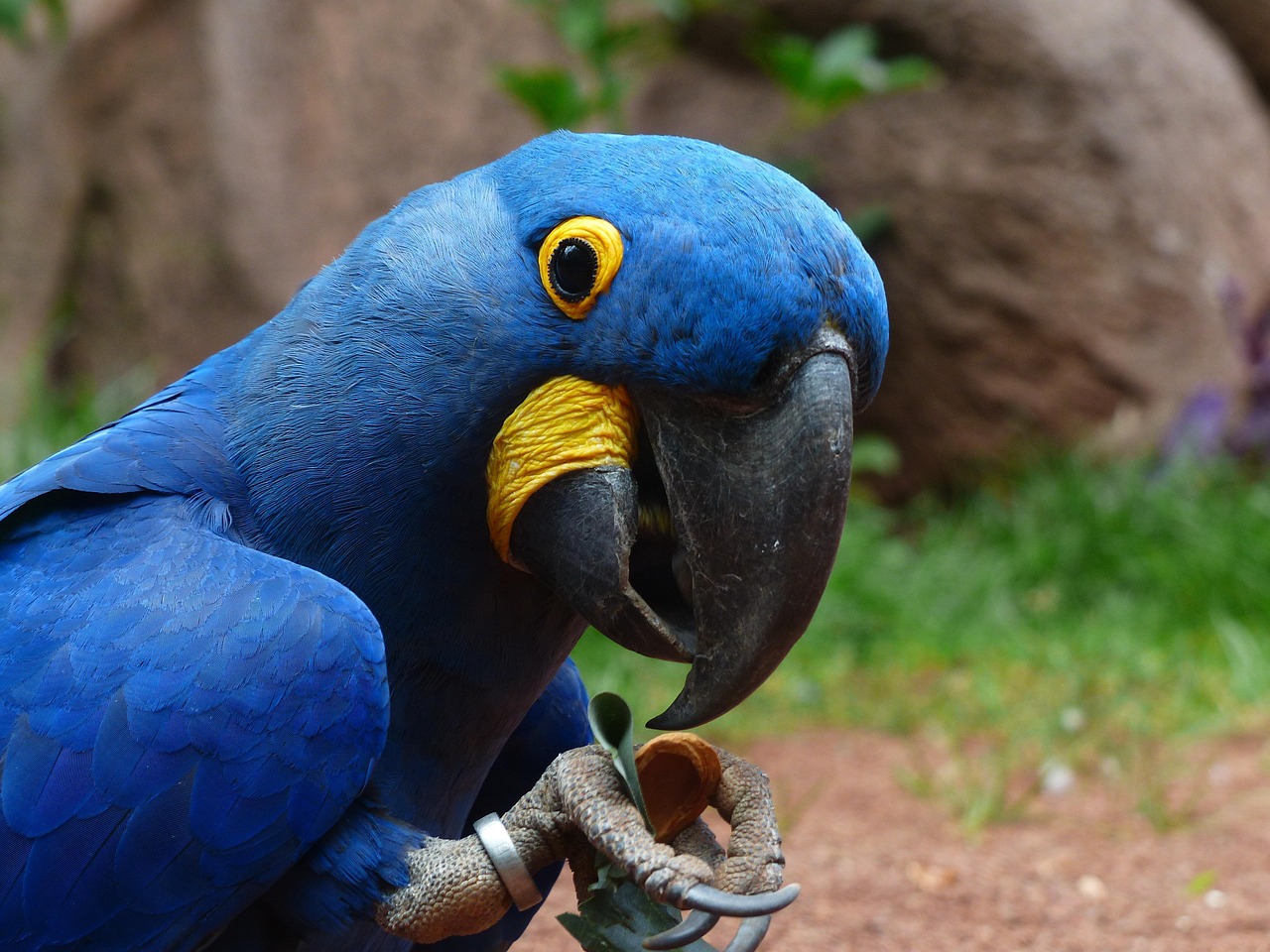
Macaws are not a single breed — the family encompasses a wide spectrum of species, each varying in size, temperament, vocal ability, and care demands. The most commonly traded species you’ll encounter include the Scarlet Macaw, known for its vivid red, yellow, and blue plumage; the Blue and Gold Macaw, popular for its trainable, social nature; the Green-wing Macaw, often considered gentler and quieter; the Military Macaw, a hardy species suited to experienced owners; and the Hyacinth Macaw, the world’s largest parrot, prized for its cobalt blue feathers and extraordinary rarity. Hybrid macaws — crosses between two species — are also available.
The right species for you depends on your living space, noise tolerance, experience with large birds, and how much daily interaction you can dedicate. Scarlet Macaws, for instance, are stunning but can be assertive and loud, making them better suited to experienced handlers. Blue and Gold Macaws tend to be more adaptable to family environments. If you’d like to see which species are currently available, you can View Scarlet Macaws at AapkaPet or Browse Exotic Birds at AapkaPet to explore the full range, which includes Scarlet, Blue and Gold, Green-wing, Hyacinth, Hybrid, and Military Macaws alongside other companion birds.
Understanding the Legal Side of Buying a Macaw in India
Exotic birds in India are regulated, and the rules around buying, owning and transferring species such as macaws have become stricter in recent years. Because requirements can change and can differ by state, this article does not attempt to list them. Instead, treat the following as working principles.
First, any macaw you buy should come with genuine paperwork showing it was legally bred or imported – never accept a verbal assurance in place of documents. Second, expect that you, as the new owner, may need to register or report the bird with the relevant authorities after purchase; ask the seller to explain exactly what applies to your state before money changes hands. Third, be suspicious of any seller who downplays paperwork – “documents not needed” is one of the clearest warning signs in this market.
A responsible seller will walk you through the current requirements openly. AapkaPet asks exotic bird buyers to speak with their team directly for up-to-date documentation guidance, which is the safest way to get answers that match your situation and your state.
How to Choose a Reliable Macaw Seller in India
A trustworthy macaw seller demonstrates transparency across four dimensions: documentation, health verification, facility standards, and after-sale support. Ask whether every bird is veterinarian-checked (not merely “health guaranteed” — a phrase with no legal substance). Ask about the living environment: were the birds raised in a nurturing, homely setting or in cramped, industrial conditions? Enquire whether the seller provides lifelong guidance on diet, training, and overall well-being — because a macaw’s needs evolve dramatically over a lifespan measured in decades.
Experienced sellers with deep roots in the Indian pet industry tend to offer the most reliable transactions. AapkaPet, founded by Navjot Singh, who brings decades of professional experience to avian care, operates from a dedicated facility in Sainik Farms, South Delhi — a setting designed with greenery and fresh ground water to create a calm environment for birds during their formative weeks. Every pet sold through AapkaPet is veterinarian-checked, and the team provides ongoing support to help new owners navigate diet, bonding, and training challenges. You can Learn About AapkaPet’s Founder and Facility to understand their approach before making an enquiry.
Red Flags and Online Macaw Scams to Avoid
The online exotic bird market in India is riddled with fraudulent sellers who exploit buyers’ enthusiasm. Common red flags include: sellers who refuse to share video calls showing the actual bird in their facility; listings that use stock photos rather than real images; dramatically low pricing that seems too good to be true (a legitimate scarlet macaw commands a significant price reflecting its breeding, veterinary care, and CITES compliance); and sellers who pressure you to pay a deposit before answering basic health or documentation questions. WhatsApp-only sellers with no verifiable business address, website, or phone number should be treated with particular caution.
Another frequent scam involves sellers who claim to offer delivery through “pet transport services” without any verifiable logistics partner, only to disappear after receiving payment. Always insist on seeing the bird — via video call at minimum — before any financial commitment. Ask for the seller’s documentation trail, including CITES paperwork and any veterinary certificates. Legitimate sellers will have these readily available; scammers will deflect, delay, or vanish.
Understanding the Full Cost of Macaw Ownership in India
Macaw pricing in India is not standardised. It varies with species, age, lineage, documentation and the seller’s credibility, and reputable sellers usually share prices only on direct enquiry. Rather than chasing a number, understand what drives the cost: rarer species cost more, hand-raised and weaned young birds cost more than older ones, and complete documentation and veterinary checks are part of what you pay for.
The purchase price is only the beginning. A large macaw needs a spacious, good-quality cage or aviary, a daily diet of fresh fruits, vegetables, nuts and quality pellets, regular avian-veterinary check-ups, and toys and enrichment that get replaced as the bird destroys them. Unexpected medical care can add significantly in some years. And because large macaws often live for many decades, this is a long-term financial and emotional commitment that deserves honest planning before you buy.
Health and Veterinary Checklist for New Macaw Owners
Avian veterinarians generally recommend a full avian-veterinary examination within the first seven days of acquiring any new macaw. This initial exam should include a complete physical assessment, blood work, and screening for the three critical avian diseases: Psittacine Beak and Feather Disease (PBFD), Avian Polyomavirus, and Chlamydia psittacosis. A negative result across all three tests gives you — and your household — meaningful baseline confidence in the bird’s condition.
When selecting a seller, look specifically for the language “veterinarian-checked” — this is a more honest and verifiable claim than vague phrases like “health guaranteed.” Ask the seller what the check covered and whether certificates are available for review. DNA sexing is another valuable pre-purchase verification, especially if you plan to keep more than one macaw in future. Sellers who proactively provide this documentation demonstrate both competence and good faith. AapkaPet follows an ethical approach to bird care, ensuring every bird in their exotic catalog is raised in a nurturing environment and undergoes a veterinarian check before sale — complemented by lifelong support on diet and well-being, which matters enormously when navigating a macaw’s evolving health needs through different life stages.
Expert Insights: Living with a Macaw in an Indian Home
Macaws are not passive cage birds — they are highly interactive, emotionally complex creatures that demand daily social interaction, mental stimulation, and physical exercise. A bored or neglected macaw in an Indian apartment can become noisy, destructive, and prone to self-harm through feather plucking. Experts recommend a minimum of 2–4 hours of supervised out-of-cage time daily, supplemented with foraging toys, puzzle feeders, and training sessions that channel the bird’s intelligence productively.
Indian households present unique considerations. Noise is a primary concern — neighbours in dense urban apartment buildings may not appreciate a macaw’s vocal range, that carries further than most people expect. Climate is another factor: while Indian weather is broadly suitable, very cold or very hot environments (both common in certain regions) require temperature-controlled indoor spaces. Families with young children should also be aware that a large macaw’s beak carries significant bite force, so supervision during interactions is essential. The most successful macaw owners in India are those who approach the relationship as a decades-long partnership requiring patience, education, and consistent investment — not a living ornament. Beginning your journey with a trusted, experienced seller that offers lifelong care support can make the critical early months far smoother.
Why Buy Your Macaw from AapkaPet
AapkaPet is based in Sainik Farms, South Delhi, and describes its facility as a homely setting rather than a commercial outlet. The team states that every pet it provides is veterinarian-checked and raised in a nurturing environment, with the aim of giving each bird a calm temperament and a smooth adjustment to its new home. That promise appears across the AapkaPet website and applies to its exotic birds, including macaws.
The AapkaPet catalogue covers several macaw species, so buyers can compare temperaments, sizes and care needs before deciding:
- Blue and Gold Macaws – sociable, striking birds that are often the first species new buyers ask about.
- Scarlet Macaws – vivid red plumage and a confident personality.
- Green-wing Macaws – among the larger macaws, known for a gentle disposition.
- Hyacinth Macaws – the deep-blue giants of the macaw world.
- Hybrid Macaws – crosses that blend traits from two species.
- Military Macaws – a smaller green macaw suited to experienced keepers.
Buyers who prefer to see the birds before committing can schedule a visit to the Sainik Farms facility through the contact page and observe the environment firsthand. AapkaPet also states that its relationship with buyers continues after purchase, with lifetime care guidance covering health, training, diet and grooming – support that matters far more with a macaw than with most pets, given how long these birds live and how much attention they need.
Preparing Your Home Before Your Macaw Arrives
A macaw should not arrive before its home is ready. Set up the cage in a draft-free spot with natural light but away from direct afternoon sun and kitchen fumes, since birds are sensitive to airborne irritants. The cage should allow the bird to fully stretch its wings and climb, with sturdy perches of varying thickness to keep feet healthy. Place food and water bowls where droppings cannot fall into them, and line the base so cleaning is quick.
Bird-proof the rooms your macaw will explore during out-of-cage time: secure windows and mirrors, keep ceiling fans off, and move toxic plants, electrical cords and small swallowable objects out of reach. Stock a varied diet of pellets, fresh fruits and vegetables before the bird comes home, and identify an avian veterinarian in your city in advance rather than searching during an emergency. Finally, plan your daily routine – macaws are flock animals that bond deeply, and consistent interaction from day one shapes a confident, well-adjusted companion.
Conclusion
Buying a macaw online in India is a significant decision that demands careful research, legal compliance, and a genuine commitment to the bird’s lifelong welfare. From verifying CITES paperwork and Parivesh 2.0 registration requirements to understanding the true cost of ownership spanning decades, every step matters. Choose a seller who is transparent about veterinary health checks, provides real documentation, and stands behind their birds with ongoing support — not just a transaction.
If you’re ready to take the next step, Explore Available Pets at AapkaPet or reach out directly. You can reach the team through the contact page to discuss your requirements.
Frequently Asked Questions
How do I buy a macaw online in India?
You can buy a macaw online in India by contacting a specialised exotic bird seller, verifying the bird’s documentation, and confirming the registration requirements that apply in your state. Contact AapkaPet through their website for current availability and vet-checked macaws.
Is it legal to keep a macaw as a pet in India?
Keeping a macaw in India is possible when the bird is legally sourced and properly documented. Exact requirements can change and may vary by state, so confirm the current rules with the seller and the relevant authorities before buying.
Which macaw species are available for purchase in India?
Common species include Scarlet, Blue and Gold, Green-wing, Military, Hyacinth, and Hybrid Macaws. Availability depends on the season and seller. AapkaPet lists multiple macaw subspecies in their exotic bird catalog.
Can I find vet-checked macaws online in India?
Reputable sellers provide veterinarian-checked macaws with health certificates. Ask for documentation covering PBFD, Avian Polyomavirus, and Chlamydia screening before purchase.
How expensive are macaws in India?
Pricing varies significantly by species, age, and lineage. Because costs are not standardised across the market, it’s best to contact the seller directly. As a reference, hyacinth macaws are among the most expensive. Contact the seller directly for current pricing.
How long do macaws live?
Large macaws commonly live for many decades, with some individuals living far longer. This makes macaw ownership a genuine multi-decade commitment, not a casual purchase.
Do macaws need special permits in India?
Exotic birds such as macaws generally come with documentation and registration requirements, and state-level rules may also apply. Confirm the current paperwork requirements with the seller and the relevant authorities before purchase.
Can macaws adapt to Indian apartment living?
Macaws can adapt to apartments, but they need daily out-of-cage time, mental stimulation, and space for exercise. Noise levels can be challenging in dense residential areas. Prior experience with birds is recommended for apartment owners.